
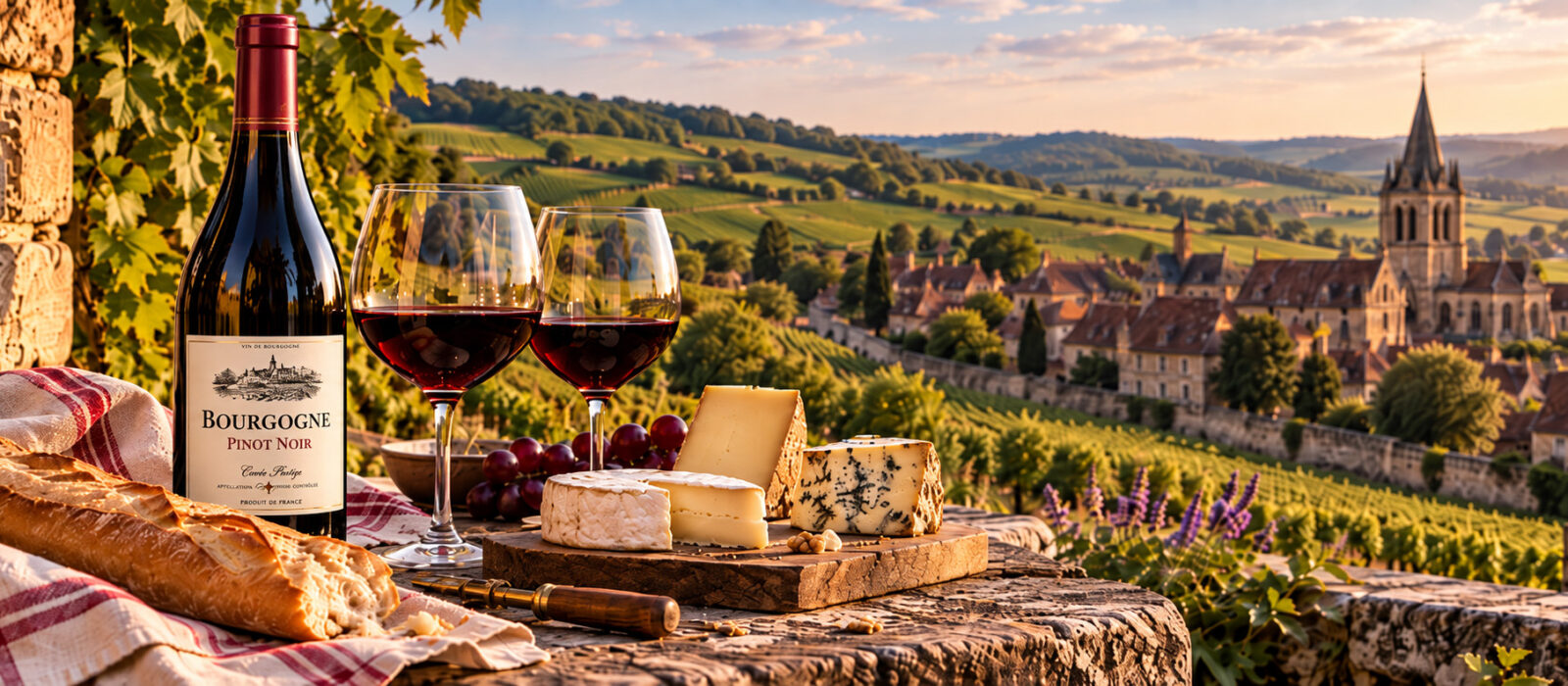
There is a moment when Burgundy begins to make sense.
At first, it seems unnecessarily complicated. The bottle might say Louis Jadot, then Gevrey-Chambertin, perhaps Clos Saint-Jacques, followed by Premier Cru. Another bottle says Chambertin Grand Cru. A third simply says Bourgogne Pinot Noir. Prices can run from under £20 to hundreds, thousands, or-in the rarest cases-far beyond that.
And then you discover the organising idea behind the whole region: Burgundy is fundamentally about place.
Not merely the village where the grapes grew, but sometimes a particular slope within that village, or a particular patch of limestone and clay halfway up that slope. Two vineyards separated by a narrow track can have different names, different classifications, different owners and remarkably different reputations.
That obsession with precise origin is what makes Burgundy both fascinating and infuriating. It is also why understanding Burgundy requires knowing a little history. The landscape we see today-a mosaic of tiny vineyards enclosed by stone walls, divided among families and identified by names that may be centuries old-was not designed in one grand plan. It evolved over nearly two millennia.
History: two thousand years of wine and observation
Vines were cultivated in Burgundy during the Roman era. One of the earliest surviving written references to Burgundian vineyards comes from a speech delivered at Autun in AD 312 by the orator Eumenius to Emperor Constantine. Archaeological and historical evidence points to viticulture in the region before that.
But Burgundy’s distinctive philosophy developed over the centuries that followed.
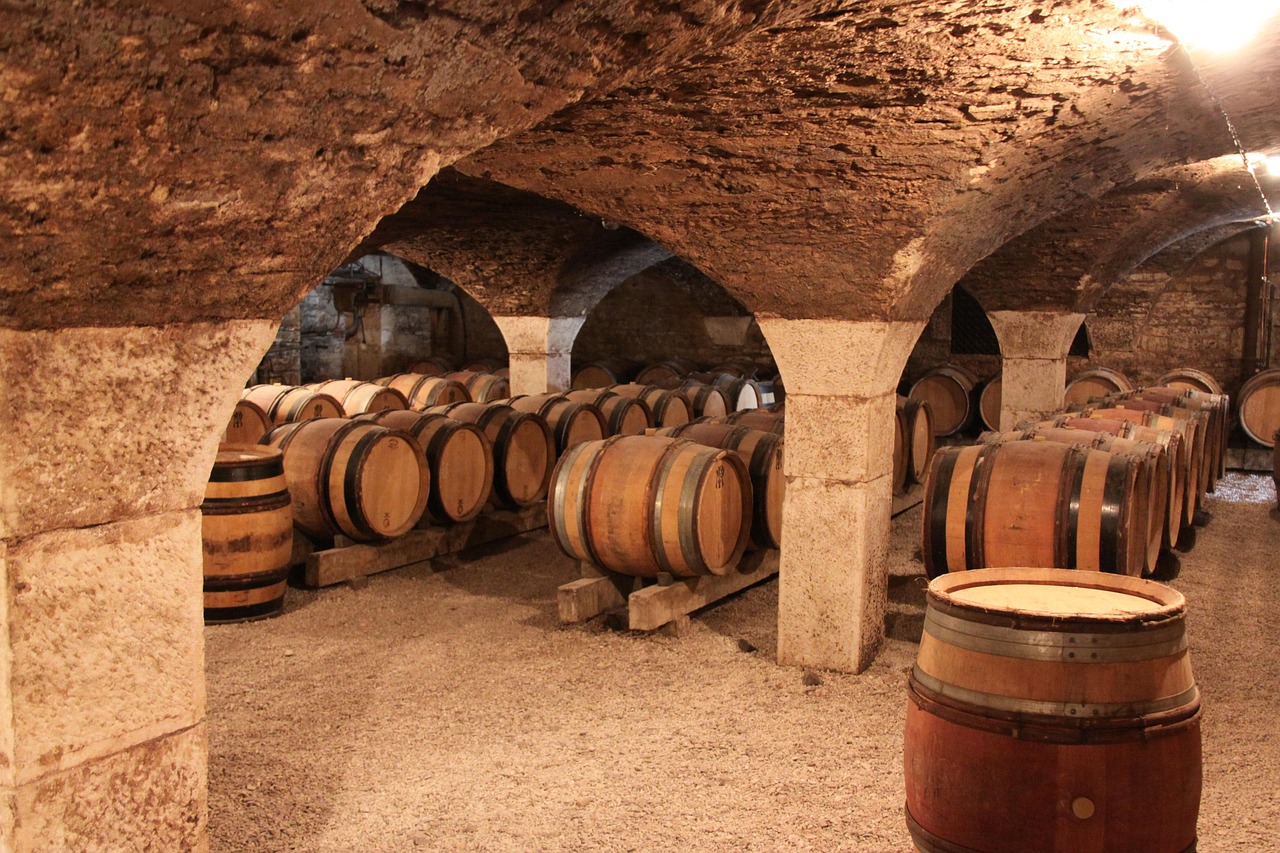
Christian monasteries became enormously important landowners during the Middle Ages. The Benedictine abbey of Cluny was founded around 910, while the Cistercian abbey of Cîteaux was established in 1098. These religious communities owned, cultivated and managed vineyards, and their long institutional lives gave them something extraordinarily valuable: time to observe.
It is tempting to repeat the romantic story that monks simply tasted soil and instantly mapped Burgundy’s modern vineyards. Reality was more gradual. The Climats de Bourgogne organisation itself notes that monks did not single-handedly “invent” today’s climat system. Rather, monks, nobles, merchants, townspeople and generations of winegrowers progressively accumulated knowledge about which sites behaved differently.
Still, the monastic contribution was immense. The Cistercians developed enclosed vineyards, cellars and organised systems of cultivation. Clos de Vougeot, whose great stone-walled vineyard remains one of Burgundy’s most recognisable landmarks, grew from Cistercian activity in the Middle Ages.
What mattered was repeated observation. One patch ripened earlier. Another drained better after rain. Another produced wine with greater perfume or longevity. Slowly, land stopped being merely “vineyard” and became a collection of distinctive places. That is the seed from which Burgundy’s idea of terroir grew.
The Dukes who turned wine into prestige
If monks helped develop the vineyards, the powerful Dukes of Burgundy helped make their wines fashionable.
During the 14th and 15th centuries, the Valois Dukes ruled a state whose influence stretched far beyond modern Burgundy into territories including parts of the Low Countries. Their court was among Europe’s richest and most sophisticated, and Burgundian wine became part of its cultural and diplomatic prestige.
One decision became particularly famous. In 1395, Philip the Bold ordered restrictions on the cultivation of Gamay in his Burgundian lands and promoted Pinot Noir instead. Gamay was productive and popular, but the ducal authorities believed it threatened the quality reputation they wanted Burgundy to possess.
Gamay survived, of course-it became inseparable from neighbouring Beaujolais and remains relevant in southern Burgundy and certain blended appellations-but Pinot Noir became central to the identity of Burgundy’s great red wines. It was an early example of something Burgundy has continued doing ever since: linking grape variety, place and quality.
Revolution, inheritance and Burgundy’s extraordinary patchwork
Then politics shattered the old ownership structure. During the French Revolution, vineyards belonging to religious institutions and aristocratic estates were confiscated and sold. Land that had been controlled by institutions for centuries passed into private hands.
French inheritance law subsequently encouraged further subdivision. Under the system associated with the Napoleonic Civil Code, children were entitled to compulsory shares of an estate. Across generations, vineyard holdings could therefore be divided among multiple heirs.
The consequences are visible everywhere in Burgundy. Imagine a famous vineyard as an apartment building. The vineyard name describes the building. But instead of one landlord, dozens of families may own individual rooms-or, in Burgundy’s case, strips containing just a few rows of vines. Each owner farms his or her own parcel and makes or sells wine from it.
This is why two bottles can have exactly the same Grand Cru vineyard name and vintage yet come from different producers and taste quite different. It also explains why producer matters so much in Burgundy. Classification tells you the theoretical potential of the vineyard. It does not guarantee that every person farming it will realise that potential.
The modern appellation system
By the 19th century, writers and agricultural authorities had already begun formally ranking Burgundy’s vineyards. Jules Lavalle’s influential 1855 work classified vineyards of the Côte d’Or, and subsequent classifications helped establish the intellectual framework for the modern system.
France created its national appellation framework in 1935. Burgundy’s first group of AOCs followed in 1936, including names such as Gevrey-Chambertin, Vosne-Romanée, Pommard, Romanée-Conti and La Tâche. Premier Cru classification was subsequently incorporated into the system.
This formalised ideas that Burgundy had been developing for centuries: certain places consistently produce wines with particular characteristics, and those places deserve identifiable names and boundaries.
Where exactly is Burgundy?
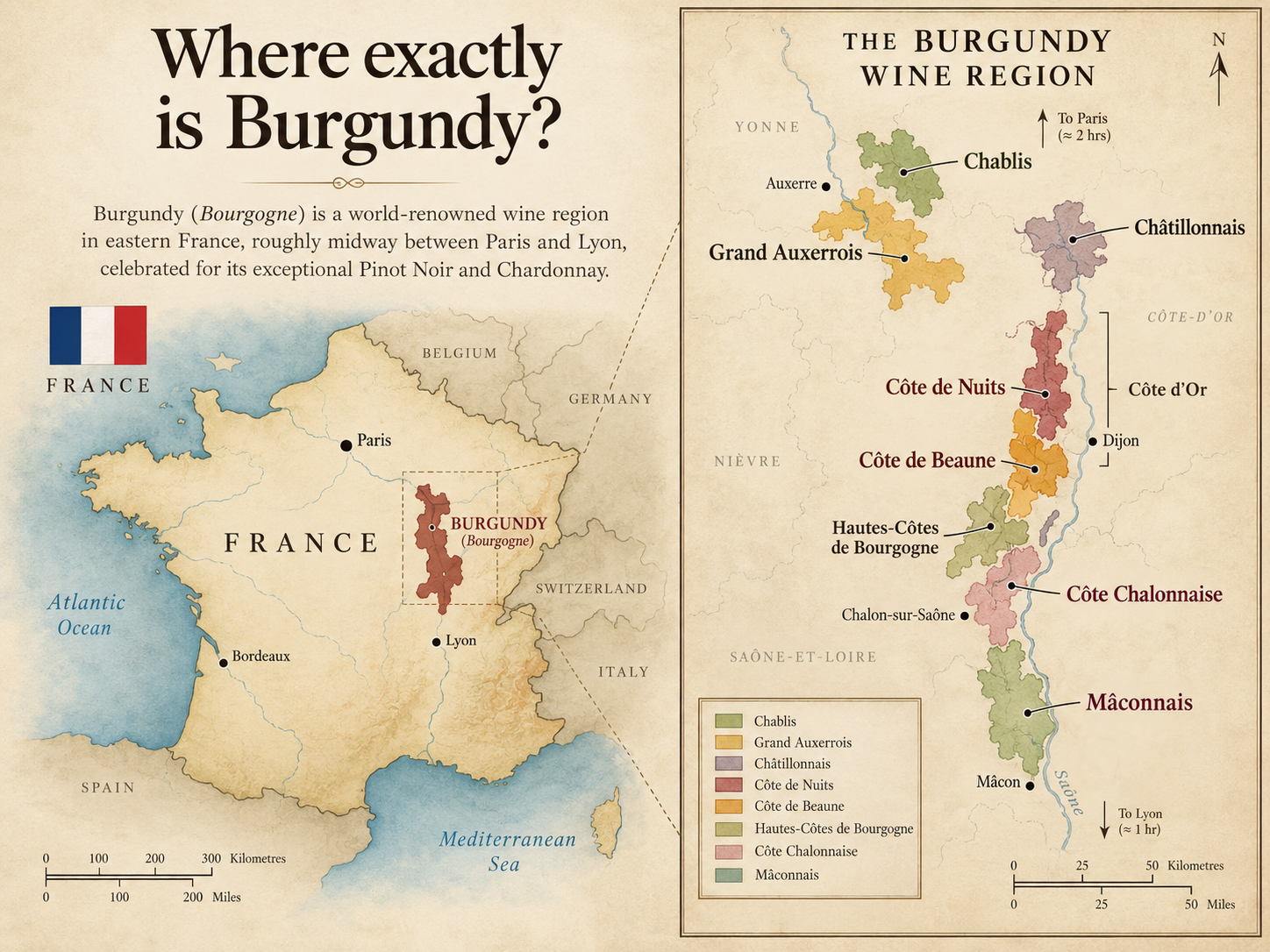
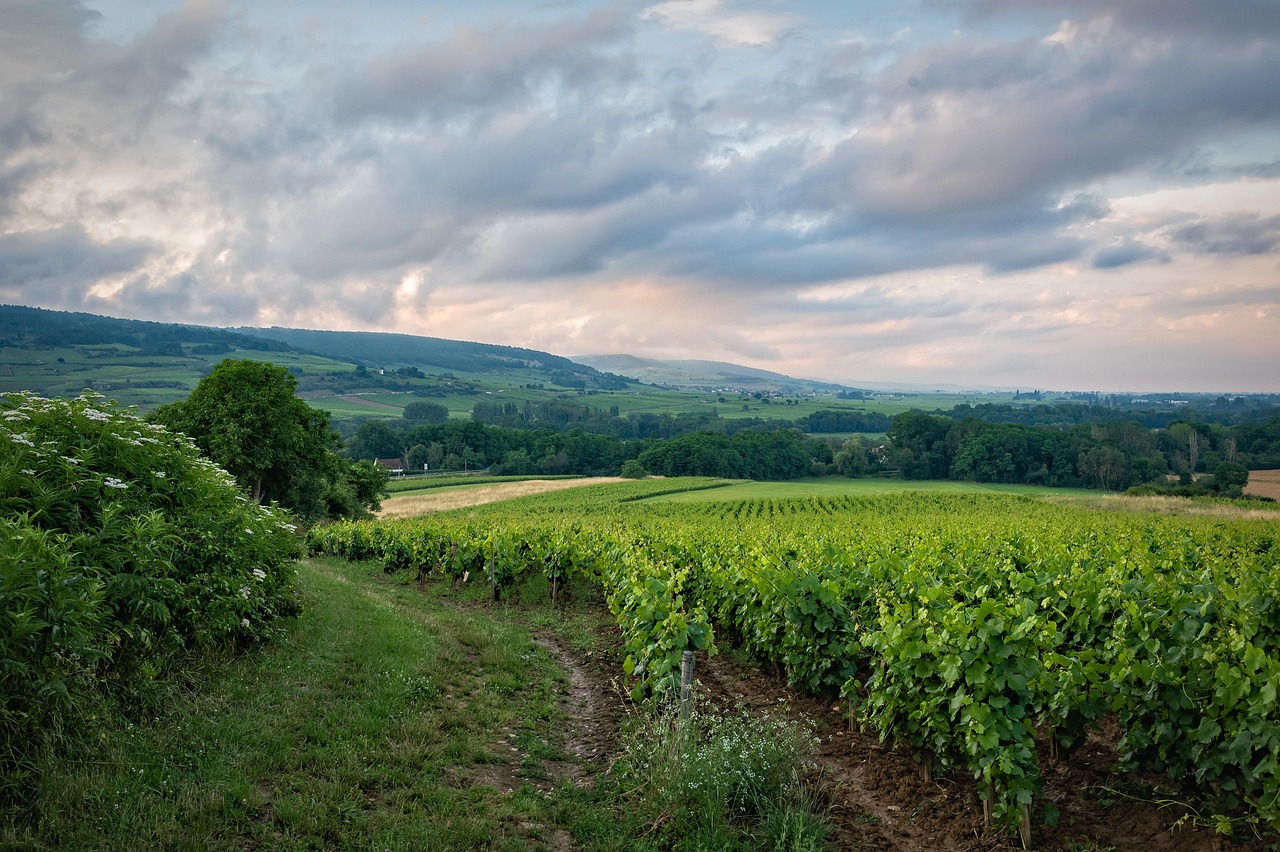
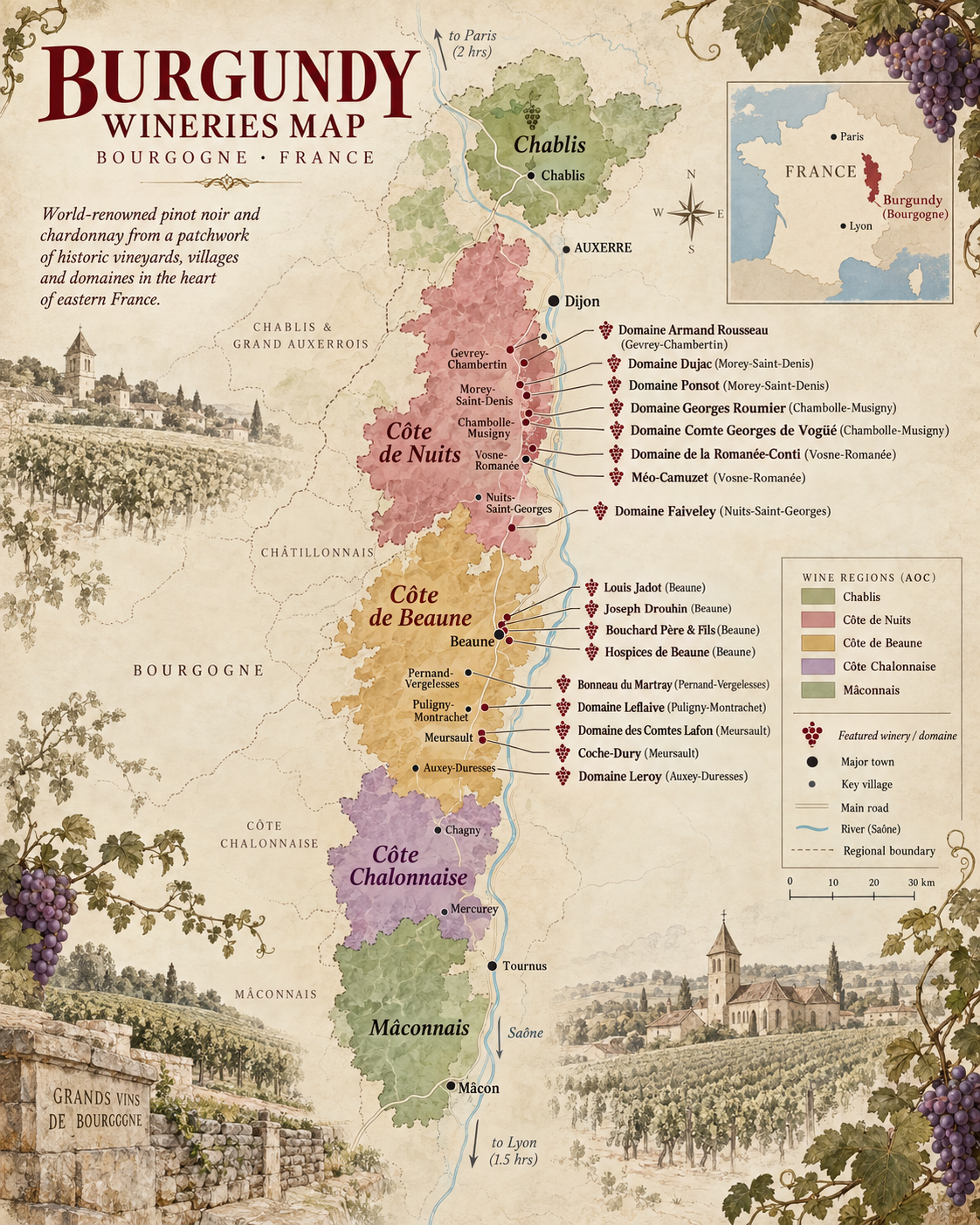
Burgundy – Bourgogne in French – is one of France’s most famous wine regions, located in the east of the country, broadly between Paris and Lyon. The vineyard is not one continuous block. The official Burgundy wine organisation describes a wine-growing region roughly 230 kilometres long, running through several distinct areas from north to south.
The principal zones are Chablis and the Grand Auxerrois in the north; the Côte de Nuits and Côte de Beaune, which together form the celebrated Côte d’Or; the Côte Chalonnaise; and the Mâconnais farther south. There are also areas such as the Châtillonnais and Hautes-Côtes. Each deserves attention because Burgundy is not one uniform climate or landscape.
Chablis: Burgundy that does not look like Burgundy
Many beginners are surprised to learn that Chablis is Burgundy. Geographically, it lies well north of the Côte d’Or, closer to Champagne than Beaune. Its cool, semi-continental conditions make spring frost a recurring danger. Chardonnay dominates completely.
Chablis is particularly associated with Jurassic Kimmeridgian limestone and marl, containing marine fossils and mineral material from an ancient seabed. More than 5,400 hectares of Chardonnay are planted on these soils in the area, according to the Burgundy wine board.
Traditional Chablis tends to emphasise freshness, acidity and clarity rather than overt richness. Oak use varies by producer, but Chardonnay here can seem very different from Chardonnay grown farther south in Meursault or Puligny-Montrachet. Same grape. Different place.
The Côte de Nuits: the kingdom of Pinot Noir
South of Dijon begins the Côte de Nuits, perhaps the most celebrated stretch of Pinot Noir vineyards on Earth. Villages including Gevrey-Chambertin, Morey-Saint-Denis, Chambolle-Musigny, Vougeot, Vosne-Romanée and Nuits-Saint-Georges sit along a relatively narrow band of slopes.
This small area contains an extraordinary concentration of legendary red Grand Crus: Chambertin, Chambertin-Clos de Bèze, Clos de la Roche, Clos de Tart, Bonnes-Mares, Musigny, Clos de Vougeot, Échezeaux, Grands Échezeaux, Richebourg, Romanée-Saint-Vivant, La Tâche and Romanée-Conti, among others. The distances involved can be comically small compared with the reputational differences.
The Côte de Beaune: Chardonnay royalty-and serious Pinot Noir
Continue south, and you enter the Côte de Beaune. Red wine remains enormously important: Corton, Pommard, Volnay, Beaune and Savigny-lès-Beaune can produce superb Pinot Noir.
But the Côte de Beaune is also home to some of the world’s most revered Chardonnay vineyards. Names such as Meursault, Puligny-Montrachet and Chassagne-Montrachet dominate conversations about fine white Burgundy. Above them sit Grand Crus including Montrachet, Chevalier-Montrachet, Bâtard-Montrachet, Bienvenues-Bâtard-Montrachet and Criots-Bâtard-Montrachet, while the hill of Corton produces both red Corton and white Corton-Charlemagne.
The Côte Chalonnaise
Farther south comes a region that often interests Burgundy drinkers precisely because it is less famous. The Côte Chalonnaise includes Rully, Mercurey, Givry, Montagny and Bouzeron. Pinot Noir and Chardonnay dominate, while Bouzeron is unusual: it is a village appellation devoted to Aligoté.
Mercurey and Givry can offer compelling reds; Rully produces both colours; Montagny is white. Because these names do not carry the global prestige-and pricing-of Vosne-Romanée or Puligny-Montrachet, they are excellent places for newcomers to explore.
The Mâconnais
Continue toward southern Burgundy and temperatures generally become warmer. The Mâconnais is particularly important for Chardonnay, with appellations such as Pouilly-Fuissé, Saint-Véran, Viré-Clessé and Mâcon-Villages.
It can produce generous, ripe Chardonnay at considerably gentler prices than the Côte de Beaune. Pouilly-Fuissé now also has officially recognised Premier Cru vineyards, illustrating that Burgundy’s classification story is still evolving.
The four-level Burgundy hierarchy
This is the part that seems intimidating until someone explains it simply. Think of Burgundy as progressively zooming in on a map.
1. Regional wine
A bottle labelled Bourgogne Pinot Noir or Bourgogne Chardonnay comes from the broadest geographical level. This is where the Louis Jadot Bourgogne Pinot Noir discussed earlier fits. Regional wines usually offer the least expensive introduction to a producer. They can be very good, but they do not claim that the grapes come from one prestigious village or vineyard.
2. Village wine
Zoom in. Gevrey-Chambertin means the wine qualifies for the appellation associated with that village. Meursault, Volnay, Pommard and Puligny-Montrachet work similarly. The village name will normally dominate the label. A Louis Jadot Gevrey-Chambertin, for example, sits substantially higher in the appellation hierarchy than Louis Jadot Bourgogne Pinot Noir.
3. Premier Cru
Zoom in again. Within many villages, particular vineyards-climats-have been recognised as Premier Cru. A label might read: Gevrey-Chambertin Premier Cru Clos Saint-Jacques. Here, Louis Jadot might be the producer; Gevrey-Chambertin is the village appellation; Premier Cru is the classification; and Clos Saint-Jacques identifies the vineyard.
4. Grand Cru
Now you have reached the smallest and highest level. A Grand Cru vineyard essentially becomes an appellation in its own right. The village may disappear from the main appellation name. So you see Chambertin Grand Cru rather than “Gevrey-Chambertin Chambertin Grand Cru”; or Romanée-Conti Grand Cru, Musigny Grand Cru, Montrachet Grand Cru and Corton Grand Cru.
The Burgundy wine board explains that Premier Cru wines come from precisely defined climats within village appellations and normally show both the village and vineyard name. Burgundy officially recognises 33 Grand Cru appellations.
This explains something that often surprises beginners: a Louis Latour Château Corton Grancey Grand Cru at roughly £120 really can be Grand Cru, even while another Grand Cru-say Chambertin from a highly sought-after producer-might cost several times or dozens of times as much. Grand Cru is an appellation classification, not a price category.
Terroir: the idea at the centre of everything
What actually makes one vineyard different from its neighbour? Burgundy’s answer is terroir: the interaction between a place’s natural characteristics and human cultivation. Soil is part of it-but only part.
Much of the Côte d’Or sits on Jurassic limestone and marl. Yet the proportions vary. Soil depth changes. Clay content changes. Rocks wash down slopes. Faults expose different geological layers. Then there is slope. A hillside drains water differently from flat ground. Higher vineyards can be cooler and windier. Lower vineyards may contain deeper soils and receive material washed downhill.
Orientation matters too. Many of Burgundy’s famous slopes face east or southeast, receiving morning sunshine while avoiding some of the harsher afternoon heat. The UNESCO World Heritage description highlights the close relationship between vineyard sites, slopes and their physical setting.
Add elevation, air movement, frost pockets, rainfall, vine age, root depth and microclimate. Now imagine repeating those variations every hundred metres. Suddenly Burgundy’s obsession with individual plots seems less eccentric.
Climats and lieux-dits: Burgundy’s geographical vocabulary
A climat is a precisely delimited vineyard parcel whose identity has developed historically around its particular conditions and resulting wine. It is not the same use of “climate” as weather.
Climats de Bourgogne describes a climat as a vineyard plot gradually and precisely demarcated by people, often recognised by name for centuries, with specific geology, hydrology and exposure. Wines from the climat are traditionally vinified with the goal of expressing that individual place.
A lieu-dit, meanwhile, is fundamentally a geographical place-name. A lieu-dit and a climat can overlap, but they are not automatically identical. Several lieux-dits can sometimes exist within a climat, or a climat may cover only part of a lieu-dit.
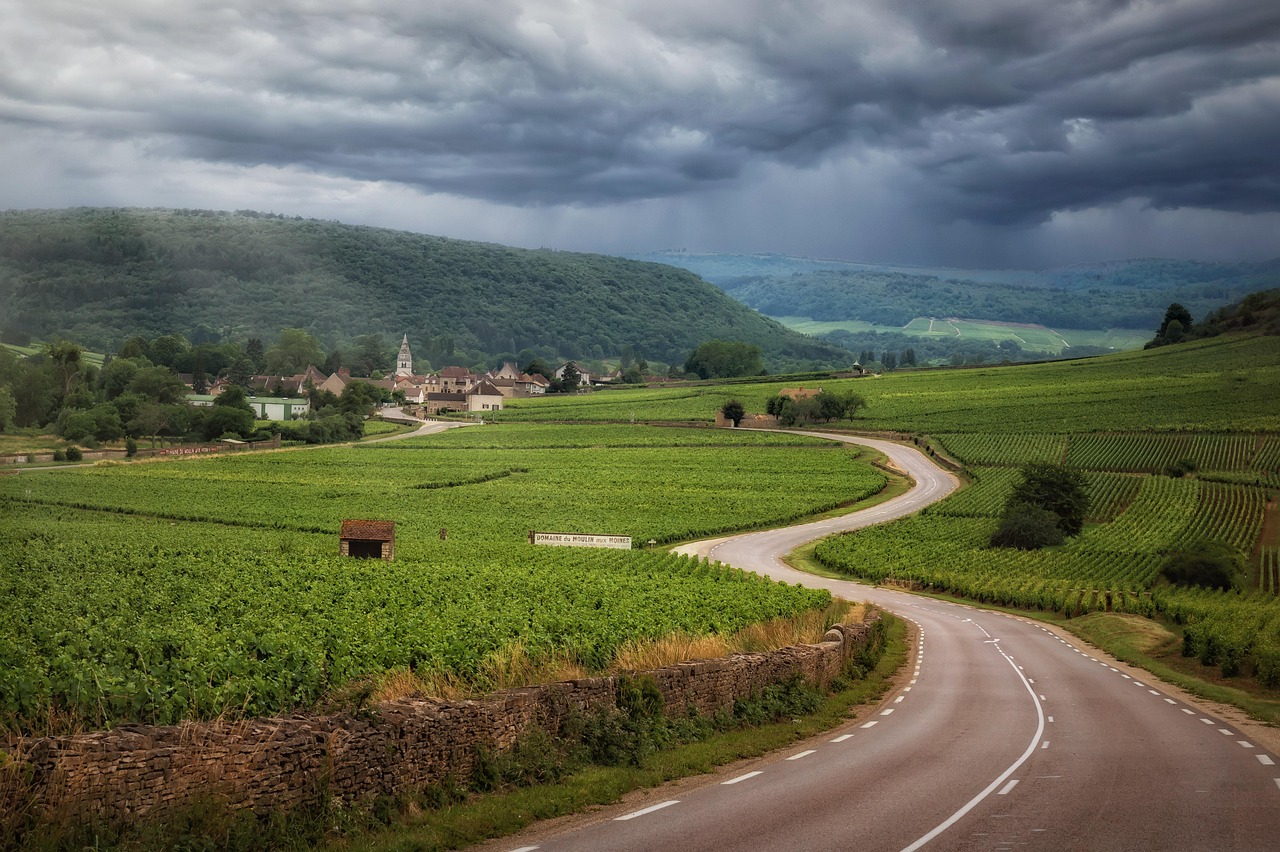
This extraordinary landscape was recognised by UNESCO in 2015. UNESCO’s Climats, terroirs of Burgundy World Heritage site covers the historic vineyard landscape of the Côte de Nuits and Côte de Beaune, together with associated villages and elements of Beaune and Dijon. UNESCO identifies 1,247 climats within the inscribed landscape and describes Burgundy as an outstanding historical model of site-specific viticulture.
The stone walls, paths, villages and vineyards are therefore not merely picturesque scenery. They form a cultural landscape documenting centuries of human attempts to understand tiny differences in land.
Four grapes, but two dominate the story
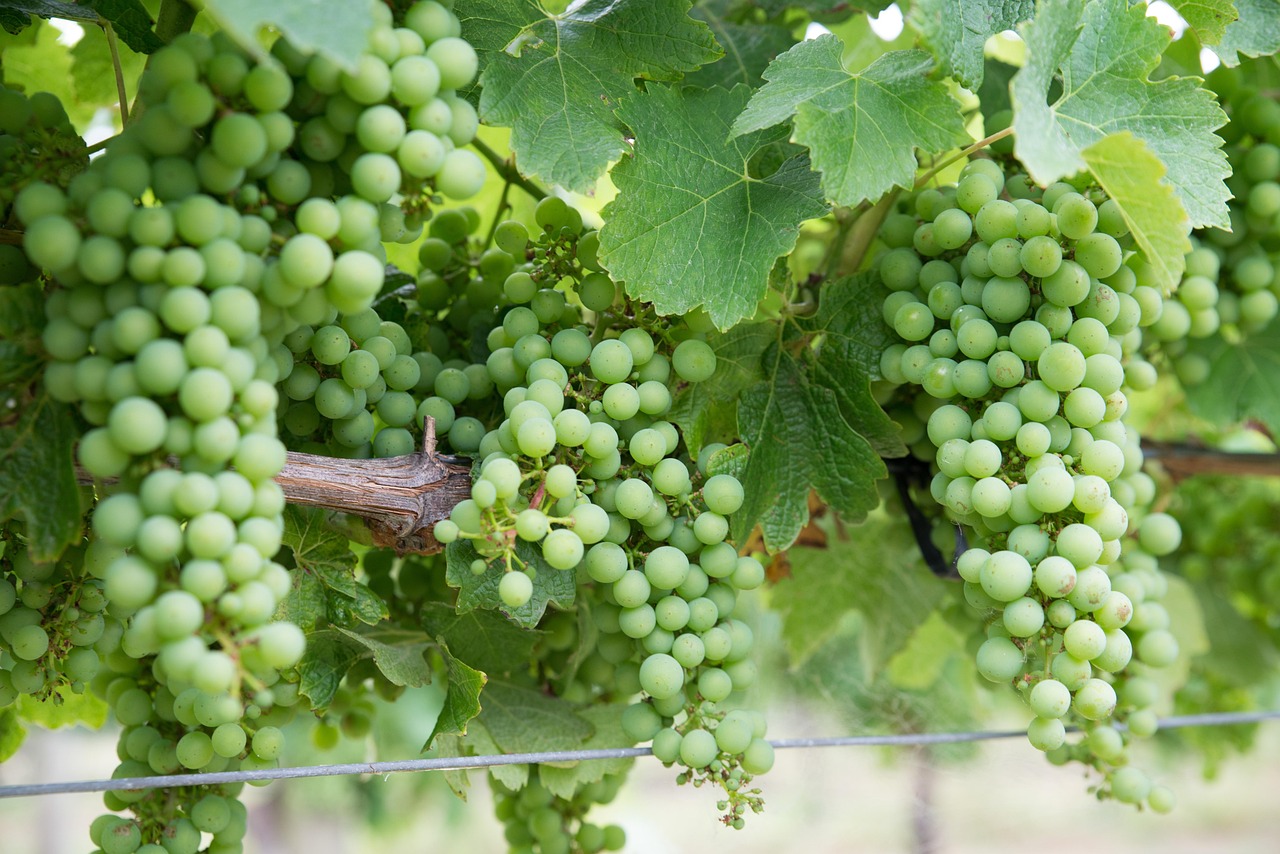
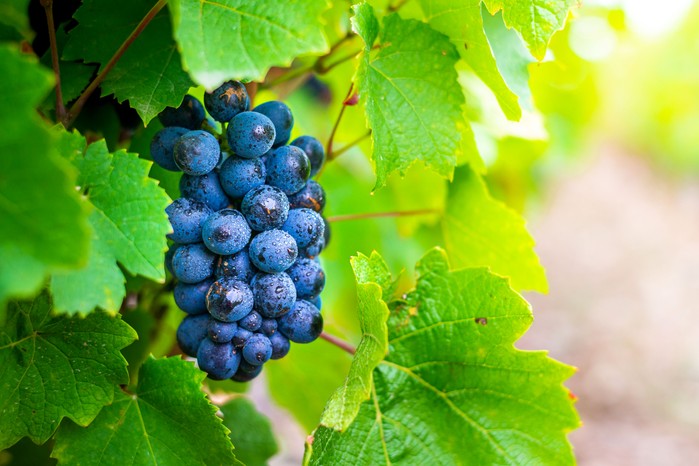
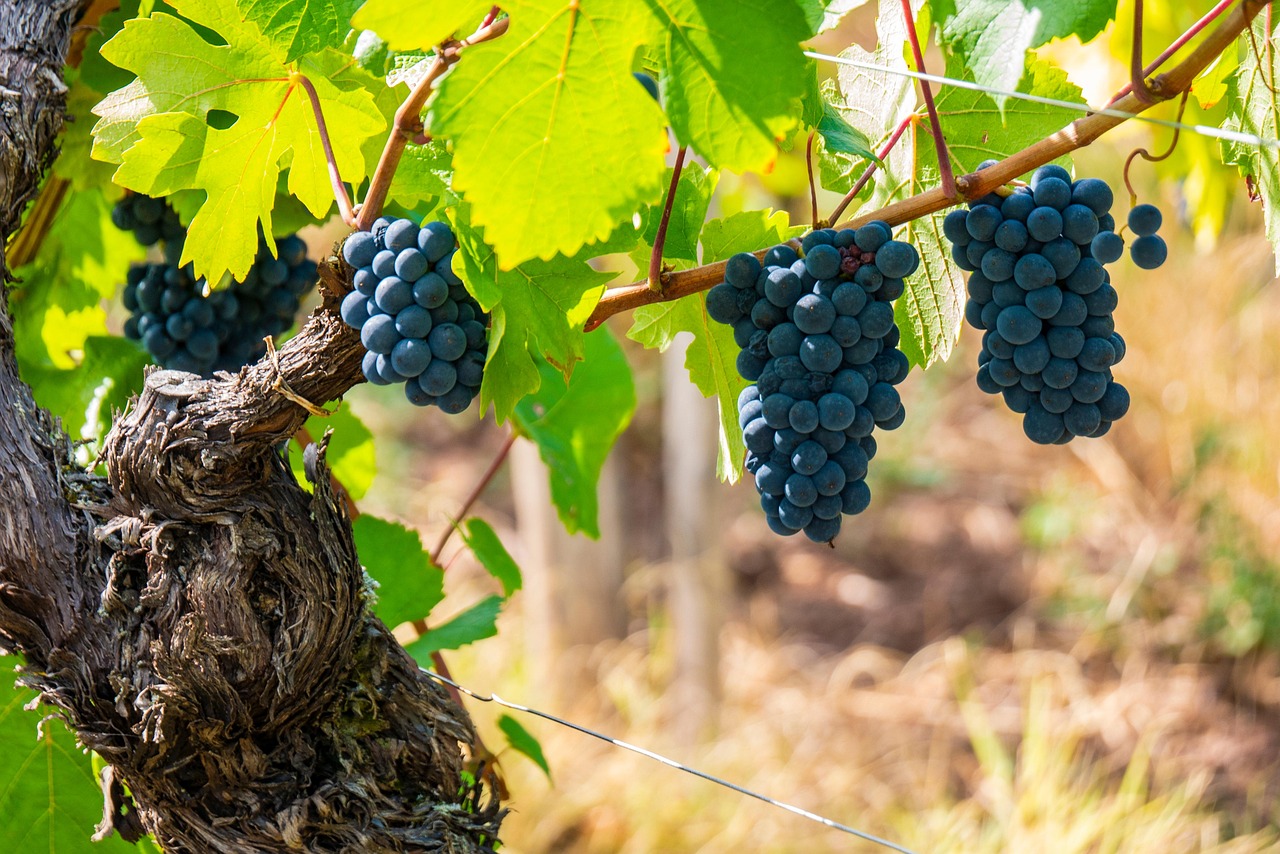
Burgundy is overwhelmingly associated with Pinot Noir and Chardonnay. Pinot Noir produces most of its famous reds. It can be pale in colour yet intensely aromatic and capable of remarkable complexity: red cherry, raspberry, flowers, spice, forest-floor aromas and savoury tones can develop depending on place and age.
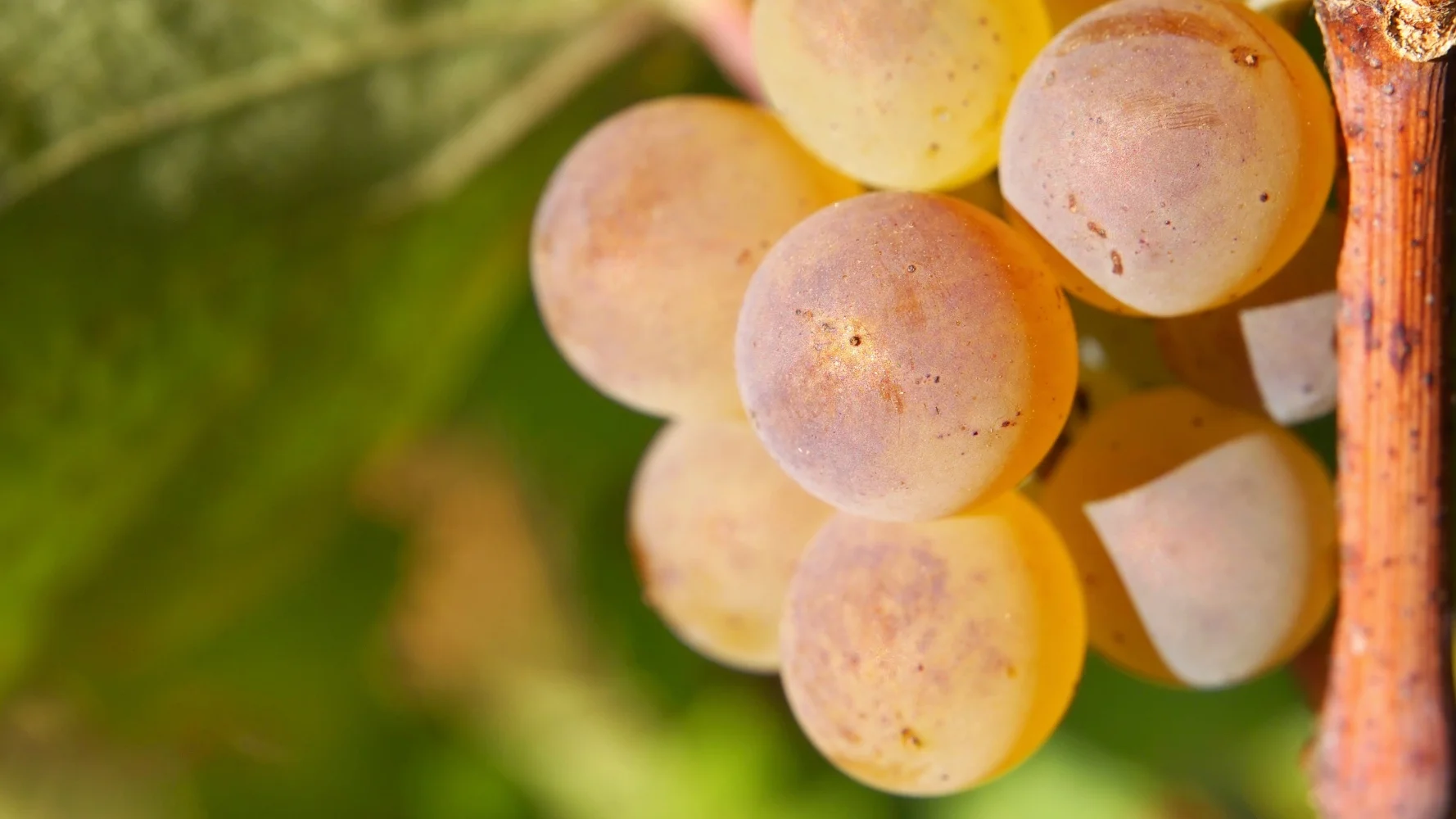
Chardonnay creates the great whites-from the taut wines of Chablis to the powerful, layered Chardonnay of Corton-Charlemagne and Montrachet. The fascinating part is that Burgundy’s most expensive wines rely on remarkably little grape-variety diversity. The dramatic differences are created through place and interpretation, not by constantly changing varieties.
There are two important supporting grapes. Aligoté produces lively white wine and has enjoyed a serious revival; Burgundy accounts for most French Aligoté plantings, and Bouzeron is its special village appellation.
Gamay remains important in southern Burgundy and can appear in appellations including Coteaux Bourguignons and Bourgogne Passe-Tout-Grains.
The Grand Crus people whisper about
At the absolute summit of red Burgundy stand vineyards whose names have become almost mythical. Romanée-Conti, in Vosne-Romanée, covers only about 1.81 hectares. Nearby sit La Tâche, Richebourg and Romanée-Saint-Vivant. The official Burgundy appellation information lists Romanée-Conti at 1.81 hectares, La Tâche at 5.94 and Richebourg at 7.23.
Romanée-Conti and La Tâche are monopoles: vineyards under a single proprietor rather than divided among many owners. That is unusual in Burgundy. Clos de Tart is another celebrated monopole.
By contrast, enormous names such as Clos de Vougeot are divided among numerous proprietors. That means the vineyard name alone cannot tell you everything-you also need the producer.
Other famous Côte de Nuits Grand Crus include Chambertin, associated with power and longevity; Musigny, famous for extraordinary perfume and finesse; Bonnes-Mares; Clos de la Roche; Chambertin-Clos de Bèze; and the Échezeaux vineyards.
In white Burgundy, Montrachet is the towering name, lying across Puligny-Montrachet and Chassagne-Montrachet. Around it sit Chevalier-Montrachet, Bâtard-Montrachet and the other Montrachet Grand Crus. Then there is Corton-Charlemagne, produced on the great Corton hill. Domaine Bonneau du Martray is historically particularly associated with that site and today focuses on Grand Cru wines from the hill.
Producer matters almost as much as vineyard
Take Musigny. Owning vines in Musigny gives you extraordinary raw material. It does not force you to farm well, harvest at the right moment or make sensitive decisions in the cellar. That is why Burgundy drinkers learn producer names.
Domaine de la Romanée-Conti, usually shortened to DRC, occupies a unique position. Its holdings include Romanée-Conti, La Tâche, Richebourg, Romanée-Saint-Vivant, Grands Échezeaux, Échezeaux, Montrachet, Corton and more recently Corton-Charlemagne. The domaine itself stresses that Grand Cru potential must still be realised through viticulture and winemaking.
Domaine Leroy, associated with Lalou Bize-Leroy, has become synonymous with tiny production, biodynamic viticulture and extraordinary market demand.
Domaine Armand Rousseau is one of Gevrey-Chambertin’s benchmark estates, with holdings including Chambertin and Clos de la Roche; its history begins with Armand Rousseau assembling prestigious parcels in the early 20th century.
Domaine Georges Roumier, founded in Chambolle-Musigny in 1924, is celebrated for wines including Musigny, Bonnes-Mares and Chambolle-Musigny Premier Cru Les Amoureuses. Its estate today covers more than 12 hectares.
Domaine Comte Georges de Vogüé is inseparable from Chambolle-Musigny and particularly Musigny.
Domaine Leflaive, based in Puligny-Montrachet, is one of the defining white Burgundy estates and farms Grand Cru Chardonnay, including Bâtard-Montrachet and Montrachet. Its own description of Bâtard-Montrachet shows biodynamic cultivation, hand harvesting, barrel fermentation and extended ageing on lees.
Domaine Coche-Dury in Meursault has become one of the most coveted names in white Burgundy, particularly for Meursault and Corton-Charlemagne.
Domaine des Comtes Lafon, another Meursault institution, is known for Premier Crus including Charmes and Perrières as well as Montrachet; the domaine has long emphasised terroir expression and biodynamic cultivation.
Bonneau du Martray, based in Pernand-Vergelesses, is historically centred on Corton-Charlemagne and Corton.
Domaine Dujac was created by Jacques Seysses in Morey-Saint-Denis in 1968 and became influential for its elegant style and use of whole clusters.
Domaine Ponsot, also in Morey-Saint-Denis, is particularly associated with Clos de la Roche Vieilles Vignes. Its current approach includes hand harvesting, indigenous yeasts and ageing in old rather than new barrels for that wine.
Méo-Camuzet in Vosne-Romanée owns parcels in Richebourg, Clos de Vougeot, Échezeaux and the celebrated Vosne-Romanée Premier Cru Cros Parantoux.
Domaine Faiveley, headquartered in Nuits-Saint-Georges, represents seven generations of Burgundy winegrowing.
Domaines and négociants: two different Burgundy traditions
A domaine normally makes wine from vineyards it owns or directly controls. A négociant, traditionally, buys grapes, must or finished wine from growers and then vinifies, matures, blends or bottles it under the négociant’s name.
Why did Burgundy develop such powerful négociant houses? Fragmentation. If hundreds of small landowners each had tiny amounts of fruit, merchants could assemble, mature and commercialise those wines efficiently. Beaune became a major centre of the trade.
Some great firms now operate as both vineyard owners and négociants. Louis Jadot, founded in 1859, owns substantial vineyards-including Corton, Corton-Charlemagne and Chevalier-Montrachet Les Demoiselles-while also producing wines from purchased fruit or partnerships.
Joseph Drouhin, founded in Beaune in 1880, now owns around 100 hectares throughout Burgundy while also working with partner growers. Its holdings stretch from Chablis through the Côte d’Or into the Côte Chalonnaise and Mâconnais.
Bouchard Père & Fils traces its Beaune history to 1731 and began acquiring vineyards in the 18th century.
This is why dismissing something merely because it says Maison rather than Domaine makes little sense. Burgundy’s great merchant houses helped build the international market for Burgundy and today many are serious vineyard owners themselves.
What actually happens in the winery?
There is no single “Burgundy method”. Many top vineyards are hand harvested, partly because vineyard parcels can be small, steep and valuable enough to justify meticulous selection.
Red Pinot Noir may be destemmed, meaning the berries are removed from their stems before fermentation, or fermented with some or all of the bunches intact-known as whole-cluster fermentation. Stems can add perfume, freshness, spice and tannic structure when handled successfully, but unripe stems can produce harsh or vegetal flavours. Producers therefore make very different choices.
Fermentation may begin with indigenous yeasts, the naturally occurring microorganisms present on grapes and in the winery, rather than commercially selected yeast cultures. During red fermentation, winemakers decide how aggressively to extract colour, flavour and tannin from the skins. Pigeage means pushing the floating cap of skins back into the fermenting wine. Remontage means pumping juice over it.
Roumier, for example, documents partial destemming, indigenous-yeast fermentation and relatively restrained use of new barrels for its Chambolle-Musigny.
Ponsot takes a different route with its Clos de la Roche, using destemmed fruit, native yeast and no new barrels, instead ageing in much older French oak.
For white Burgundy, grapes are pressed and the juice fermented, often in oak barrels for serious Côte de Beaune wines. Many producers permit malolactic fermentation, a bacterial conversion that softens sharper malic acidity into gentler lactic acidity.
Wine may then spend months resting on its lees, the spent yeast and fine sediment remaining after fermentation. Lees ageing can add texture and complexity.
Oak itself is another variable. New French oak can contribute vanilla, toast, spice and structure. Older barrels give less obvious flavour while still allowing slow oxygen exchange. The percentage of new oak can dramatically change a wine’s personality. Again, there is no universal recipe. That is exactly the point.
Why vintage matters
For much of Burgundy’s history, marginal climate made vintage variation enormous. A cold year might struggle to ripen Pinot Noir. Too much rain near harvest could dilute fruit or encourage rot. Spring frost could destroy young shoots overnight. Hail might devastate one village while leaving its neighbour almost untouched. Hot years introduce different problems: rapid sugar accumulation, falling acidity, sunburn and drought stress.
Recent seasons have demonstrated the extremes. The 2024 growing season brought unusually heavy rainfall, frost, hail and disease pressure, contributing to production well below average.
In 2025, Burgundy experienced heatwaves and highly advanced ripening; the first Crémant grapes were harvested on 18 August.
By spring 2026, the region’s wine board was again reporting an accelerated growing cycle and the prospect of another August harvest.
Climate change is therefore not an abstract future problem for Burgundy. The regional wine industry explicitly identifies frost, heatwaves, drought, unusually early harvests and vine decline as challenges already requiring adaptation. Research is examining plant material, rootstocks and vineyard practices.
At the same time, organic and biodynamic viticulture has become increasingly visible. Producers such as Leflaive, Drouhin and Bonneau du Martray have embraced such approaches, while younger growers throughout the region are experimenting with soil cultivation, reduced chemical inputs and greater biodiversity.
Why Burgundy can become absurdly expensive
Start with simple mathematics. Grand Cru vineyards represent only a tiny fraction of Burgundy’s surface and production. DRC itself notes that Grand Crus account for barely 1% of the region’s vineyard area and less than 1% of production.
Now make individual vineyards tiny. Romanée-Conti is roughly 1.81 hectares.
Then reduce yields. Then divide other vineyards among multiple owners. Then add centuries of reputation, a global audience of restaurants and collectors, critical acclaim, auctions, wealth creation and speculative secondary markets.
Supply cannot respond meaningfully to increased demand because you cannot manufacture more Romanée-Conti. Expanding the vineyard would make it something else. This is why Burgundy has produced some of the world’s most expensive wines.
But price and classification should not be confused. A Grand Cru can cost £120. Another Grand Cru might cost £5,000. A famous producer’s Premier Cru can cost more than an obscure producer’s Grand Cru. An old bottle with poor storage can be worth far less as a drinking experience than its label suggests. And a £40 wine from a talented young grower may give far greater pleasure than a disappointing £150 bottle carrying a more prestigious appellation.
Hospices de Beaune: wine, charity and Burgundy theatre
Burgundy’s most colourful annual ritual takes place in Beaune. The Hospices de Beaune grew from the Hôtel-Dieu charitable hospital founded in 1443 by Nicolas Rolin, Chancellor to the Duke of Burgundy, and his wife Guigone de Salins. Over centuries, benefactors donated vineyards to the institution.
Since 1859, the Hospices de Beaune has held its famous wine auction. Wines are sold by the barrel-the traditional Burgundy pièce contains about 228 litres-and proceeds support the hospital institution and its heritage, while a special charity barrel supports an outside charitable cause.
The event is part auction, part social gathering, part market signal and part celebration of Burgundy’s peculiar fusion of land, wine, history and civic life.
How to read a Burgundy label without panicking
Suppose the bottle says:
Regional Burgundy
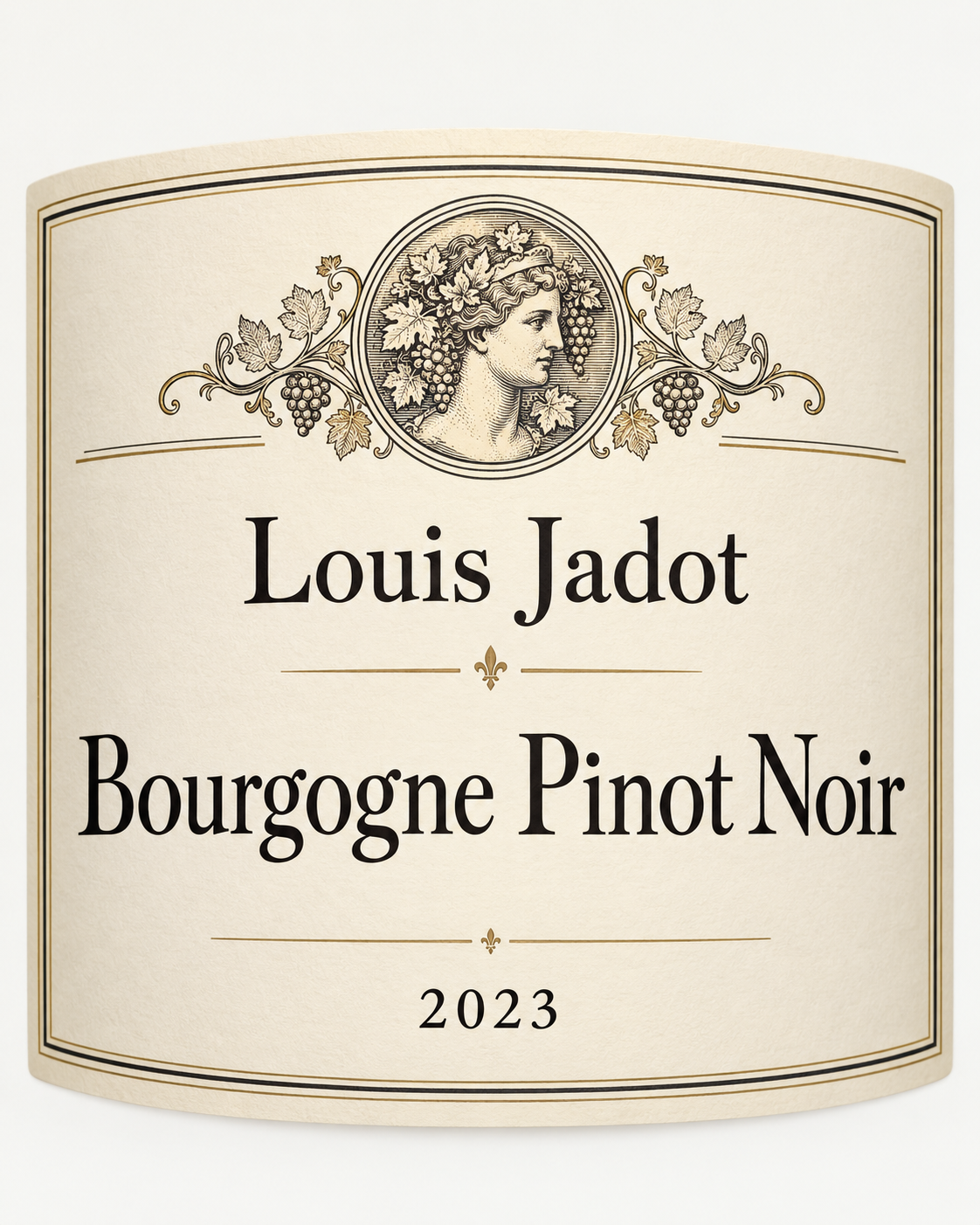
What the label tells you: This is a regional Burgundy, the broadest level in the hierarchy. “Bourgogne” tells you the wine comes from the wider Burgundy appellation rather than one particular village or vineyard. Here the grape is also stated clearly: Pinot Noir.
Village wine
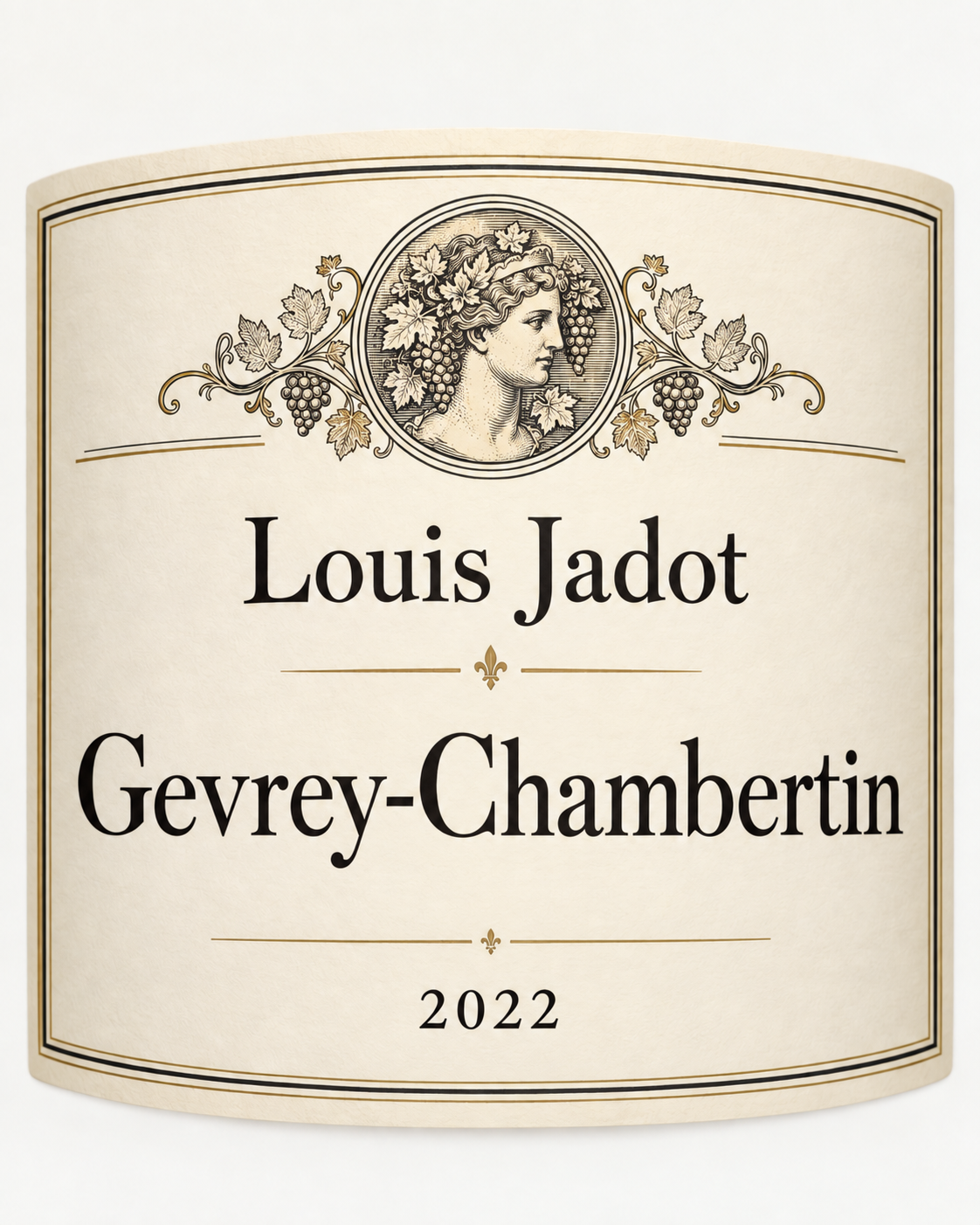
What the label tells you: The name Gevrey-Chambertin identifies a specific village appellation. Unlike the regional wine above, the label does not need to say Pinot Noir: for a red Gevrey-Chambertin, the appellation itself tells an informed reader what kind of Burgundy this is.
Premier Cru
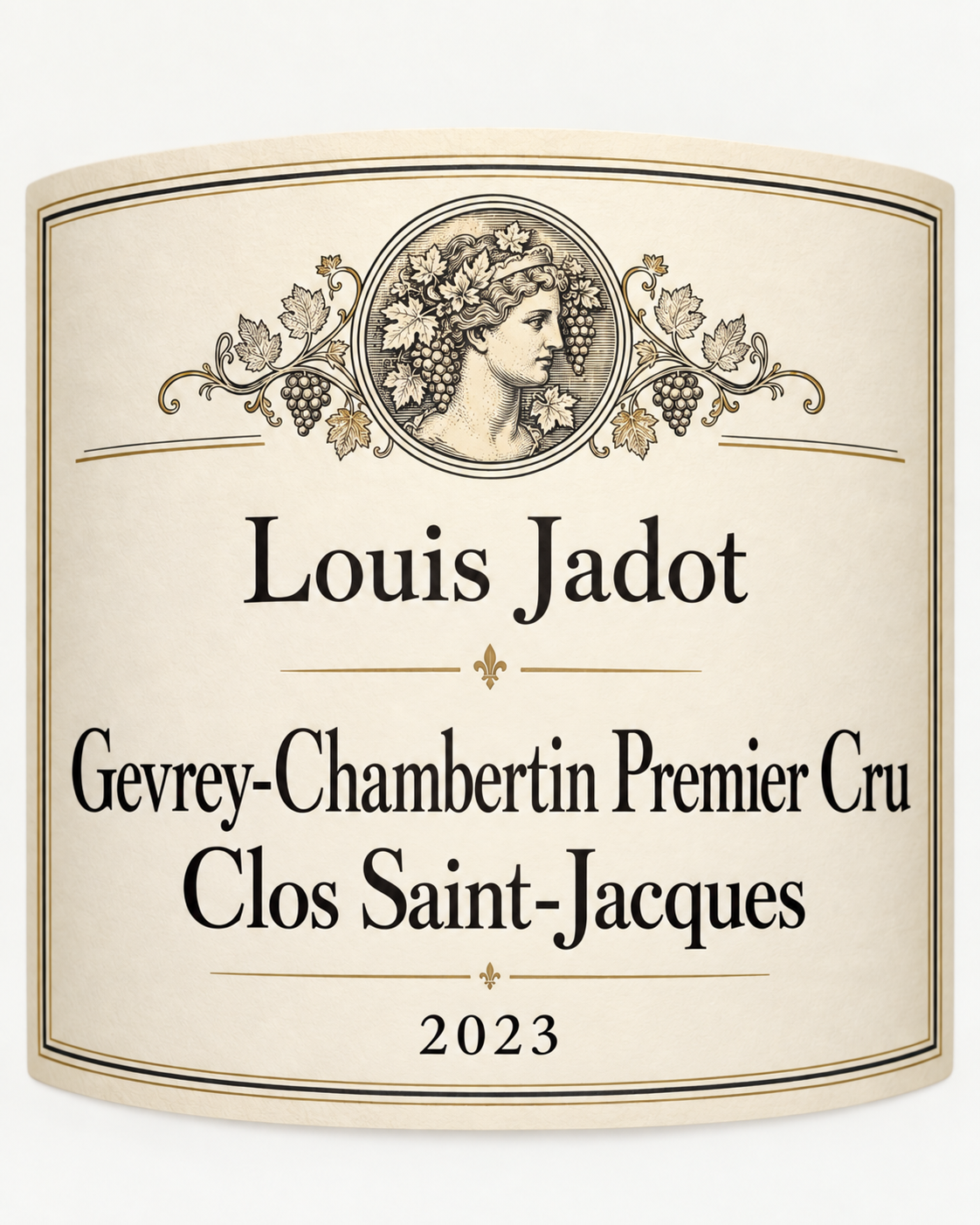
What the label tells you: Now the origin becomes more precise. Gevrey-Chambertin gives the village, “Premier Cru” gives the classification, and Clos Saint-Jacques names the individual vineyard. That extra vineyard name is the key clue that you are looking at a more specific site within the village.
Grand Cru
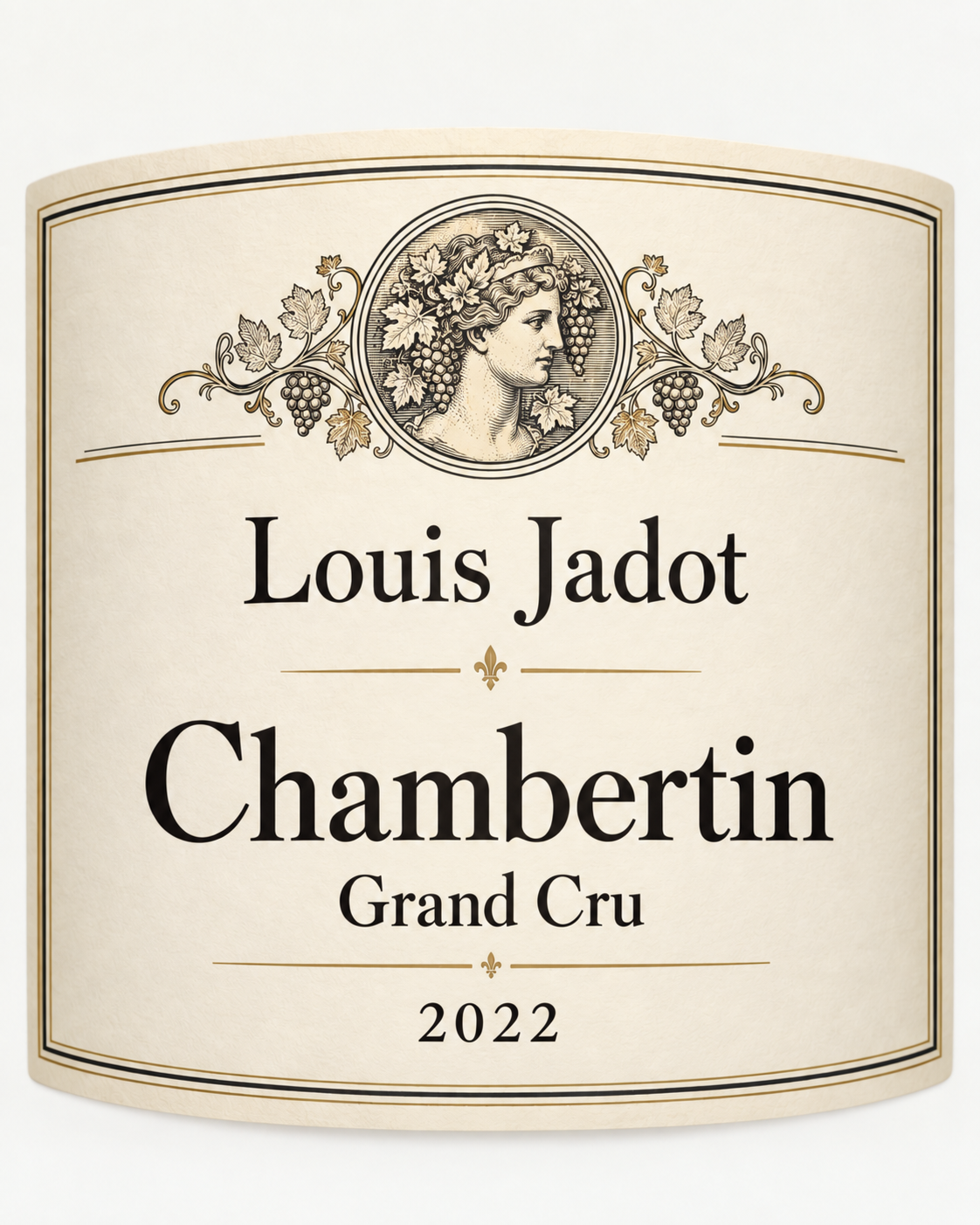
What the label tells you: At Grand Cru level, the vineyard name takes centre stage. Chambertin is not simply a vineyard mentioned beneath Gevrey-Chambertin; it is a Grand Cru appellation in its own right. That is why the village name disappears and “Chambertin Grand Cru” becomes the essential geographical identity of the wine.
Notice the progression: Bourgogne → Gevrey-Chambertin → Gevrey-Chambertin Premier Cru Clos Saint-Jacques → Chambertin Grand Cru. You are essentially zooming closer and closer to a specific piece of land. Once you understand that, Burgundy labels stop looking like code.
Drinking Burgundy without remortgaging the house
The biggest mistake a newcomer can make is assuming that Burgundy only becomes interesting when “Grand Cru” appears on the bottle. It doesn’t.
Start with regional Bourgogne from producers you trust. Good Bourgogne Pinot Noir teaches you the basic flavour language of the grape without demanding a major financial commitment.
Then explore villages that receive less international attention. Instead of immediately chasing Vosne-Romanée, Romanée-Saint-Vivant or Chambertin, investigate Marsannay, Fixin, Savigny-lès-Beaune, Pernand-Vergelesses, Santenay or Maranges.
For whites, look beyond Puligny and Meursault toward Saint-Romain, Auxey-Duresses, Rully, Montagny, Saint-Véran and the Mâconnais.
The Côte Chalonnaise is particularly useful territory for value: Mercurey and Givry for Pinot Noir, Rully for both colours and Montagny for Chardonnay.
Chablis offers another route. Village Chablis from a good producer can deliver remarkable precision without Grand Cru pricing. And follow producers rather than classifications alone. An excellent grower making Bourgogne or village wine can be more interesting than an indifferent producer working prestigious land.
A few Burgundy misunderstandings worth clearing up
“Burgundy” and Bourgogne are not competing regions. Bourgogne is the French name; Burgundy is the traditional English one.
Red Burgundy generally means Pinot Noir.
White Burgundy generally means Chardonnay.
Chablis is Chardonnay.
Grand Cru does not automatically mean expensive relative to every Premier Cru, nor does it guarantee that you personally will prefer the wine.
Premier Cru does not mean second-rate. Some Premier Cru vineyards have reputations that approach Grand Cru level. Gevrey-Chambertin’s Clos Saint-Jacques and Chambolle-Musigny’s Les Amoureuses are classic examples of Premier Crus with exceptional reputations.
Nor is an expensive Burgundy necessarily Grand Cru. Scarcity, producer reputation and market demand can push village or Premier Cru wines to extraordinary prices.
And when buying older Burgundy, storage matters enormously. A perfectly kept bottle from a modest producer may outperform a badly stored trophy wine.
Why Burgundy gets under people’s skin
There are wine regions that are easier to understand. Bordeaux often puts the château at the centre of the story. Champagne foregrounds the house and the blend. Napa frequently celebrates the winery and grape variety.
Burgundy asks you to look at the ground. A wall. A slope. A change in limestone. A vineyard name written on a map hundreds of years ago. Then it complicates matters by giving several producers pieces of the same vineyard and allowing each to interpret the site differently.
That is why Burgundy is simultaneously scientific and romantic. The scientist wants to know whether limestone composition, clay depth, altitude and orientation really explain the difference between neighbouring vineyards. The historian notices medieval walls, monastic landholdings, ducal laws and revolutionary property sales. The collector studies producers and vintages. The winemaker debates stems, extraction and barrels.
And the ordinary drinker can simply pour two Pinot Noirs made a few hundred metres apart and ask: Why don’t these taste the same?
Burgundy has spent roughly two thousand years exploring that question.
Its answer is not that vineyard classification is perfect. It isn’t. Nor that every Grand Cru is automatically magnificent. It isn’t. Producer skill, vintage, farming, winemaking and storage all matter.
The deeper answer is that place can leave a remarkably precise fingerprint on wine. Burgundy took that idea farther than almost anywhere else. Generations named the places, divided them, enclosed them, classified them, argued over them, and handed tiny pieces down to their children. Today the result is a vineyard landscape so culturally distinctive that UNESCO considers it part of humanity’s heritage.
And that brings us back to the apparently simple bottles we began with. An £18 Louis Jadot Bourgogne Pinot Noir is not pretending to be Romanée-Conti. It is the wide-angle view of Burgundy. A Gevrey-Chambertin moves closer. A Gevrey-Chambertin Premier Cru Clos Saint-Jacques focuses on one distinguished vineyard. A Chambertin Grand Cru narrows the frame still further.
And a bottle like Louis Latour Château Corton Grancey Grand Cru, even if it costs around £120 rather than £500, belongs to the highest appellation tier because the classification describes where the wine comes from, not what a shop happens to charge.
Once that distinction clicks, Burgundy stops being an incomprehensible catalogue of French names. It becomes a map. And every bottle is one small part of it.